

IKEA is an internationally known home furnishing retailer. It has grown rapidly since it was founded in 1943. Today it is the world’s largest furniture retailer, recognised for its Scandinavian style. The majority of IKEA’s furniture is flat-pack, ready to be assembled by the consumer. This allows a reduction in costs and packaging. IKEA carries a range of 9,500 products, including home furniture and accessories. This wide range is available in all IKEA stores and customers can order much of the range online through IKEA’s website. There are 18 stores in the UK to date, the first of which opened in Warrington in 1987. In July 2009 IKEA opened a store in Dublin too – its first in Ireland.
IKEA stores include restaurants and cafes serving typical Swedish food. They also have small food shops selling Swedish groceries, everything from the famous meatballs to jam. Stores are located worldwide. In August 2008 the IKEA group had 253 stores in 24 countries, with a further 32 stores owned and run by franchisees. It welcomed a total of 565 million visitors to the stores during the year and a further 450 million visits were made to the IKEA website. IKEA sales reached 21.2 billion Euros in 2008 showing an increase of 7%. The biggest sales countries are Germany, the USA, France, the UK and Sweden. In 2008 IKEA opened 21 new stores in 11 countries and expects to open around 20 more in 2009 as part of its strategy for growth.
Low prices are one of the cornerstones of the IKEA concept and help to make customers want to buy from IKEA. This low price strategy is coupled with a wide range of well designed, functional products. IKEA’s products cater for every lifestyle and life stage of its customers, who come from all age groups and types of households. This is vital in times when the retail sector is depressed, as it increases IKEA’s potential market.
Since it was founded IKEA has always had concern for people and the environment. The IKEA vision ‘to create a better everyday life for many people puts this concern at the heart of the business. IKEA has responded to the public’s rising concern for sustainability in its choice of product range, suppliers, stores and communication. It has also spotted business potential in providing sustainable solutions. IKEA’s concern for people and the environment encourages it to make better use of both raw materials and energy. This keeps costs down and helps the company to reach its green targets and have an overall positive impact on the environment.
This case study will show why IKEA believes a strong environmental stance is good business practice.
SWOT analysis
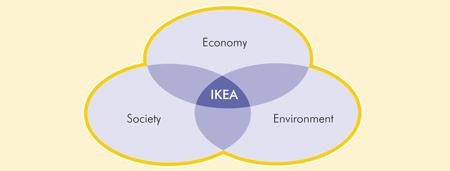
IKEA’s goals of sustainability and environmental design are central to its business strategy. It has launched a new sustainability plan to take the company through to 2015. This will combine social, environmental and economic issues.
IKEA uses SWOT analysis to help it reach its objectives. This is a strategic planning tool. It helps the business to focus on key issues. SWOT is the first stage of planning and looks at the Strengths, Weaknesses, Opportunities and Threats involved in a project or business venture.
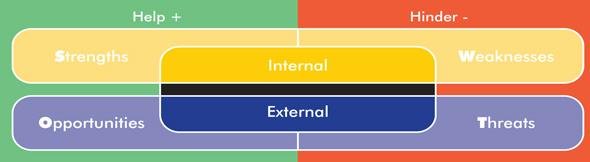
Strengths and weaknesses are internal aspects. This means that they are within the control of the business. They may refer to aspects of marketing, finance, manufacturing or organisation. Opportunities and threats are external factors. This means that they are outside the control of the business. These may include the environment, the economic situation, social changes or technological advances, such as the internet.
A business can create opportunities and counter threats by making the most of its strengths and addressing its weaknesses. For example, one of IKEA’s key strengths is its strategic aim to use no more material than necessary in the production of each item. In addition, it develops its product plans to increase its use of waste or recycled materials.
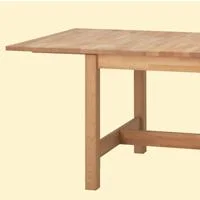
- One particular table, the NORDEN table, uses knotty birch wood. The knots in this wood usually mean it is rejected by other retailers and manufacturers as unsuitable for use. However, IKEA has made the knots part of its design feature.
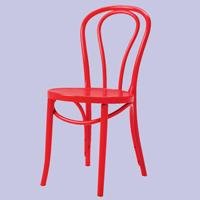
- OGLA chairs are made using wood waste from sawmills and LACK tables use a ‘sandwich’ of stiff card between wood sheets to reduce the amount of solid wood needed.
Strengths
Strengths could include a company’s specialist marketing expertise or its location. They are any aspect of the business that adds value to its product or service. IKEA’s strengths include:
- a strong global brand which attracts key consumer groups. It promises the same quality and range worldwide
- its vision ‘to create a better everyday life for many people’
- a strong concept based on offering a wide range of well designed, functional products at low prices
- a ‘democratic design’ reaching an ideal balance between function, quality, design and price. IKEA’s ‘Cost Consciousness’ means that low prices are taken into account when each product is designed from the outset.
These strengths contribute to IKEA being able to attract and retain its customers. One way IKEA measures its strengths is through the use of Key Performance Indicators (KPI). KPIs help IKEA to assess the progress of its vision and long-term goals by setting targets and monitoring progress towards these. An example of one of IKEA’s KPIs is the percentage of suppliers that are currently IWAY approved. The IWAY is the IKEA Way of Purchasing Home Furnishing Products. This guideline defines the social and environmental requirements IKEA expects of its suppliers.
IKEA has strengths right through its production processes:
- Increasing use of renewable materials IKEA improved its overall use from 71% in 2007 to 75% in 2009.
- ‘Smarter’ use of raw materials IKEA increased the use of recycled or reclaimed waste products in energy production across all stores from 84% in 2007 to 90% in 2009.
- Volume commitments IKEA believes in creating long-term partnerships with its suppliers in order to achieve this. By committing to buying large volumes over a number of years IKEA can negotiate lower prices. This also benefits the suppliers because they enjoy the greater security of having guaranteed orders.
- Economies of scale, for instance, bulk buying at cheaper unit costs.
- Sourcing materials close to the supply chain to reduce transport costs.
- Delivering products directly from the supplier to IKEA stores. This slashes handling costs reduces road miles and lowers the carbon footprint.
- Using new technologies, for example, IKEA’s OGLA chair has been in its range since 1980. The chair has changed through the years to reduce the amount of raw materials needed.
Opportunities
A business uses its strengths to take advantage of the opportunities that arise. IKEA believes that its environmentally focused business conduct will result in good returns even in a price sensitive market. As the company states:
‘There is a true business potential for IKEA in providing solutions that enable customers to live a more sustainable life at home. IKEA is developing effective solutions for customers in order to support them in recycling or reusing used products, aiming at no products ending up at landfill and the recycled materials used in producing new IKEA products.’
Some of the opportunities that IKEA takes advantage of through its sustainability agenda are:
- a growing demand for greener products
- a growing demand for low priced products. Trends in the current financial climate may result in consumers trading down from more expensive stores
- demand for reduced water usage and lower carbon footprints.
IKEA has a number of areas of focus in its work with sustainability, each of which it supports in various ways:
- Solutions for a sustainable life at home IKEA gives online tips and ideas for this.
- Sustainable use of resources. IKEA aims for zero waste to landfill, wastewater treatment and programmes to reduce its use of water.
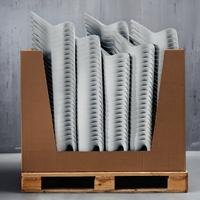
- Reducing carbon footprint. IKEA aims to reduce energy use, use more renewable energy, cut its use of air transport and reduce packaging. Its green transport initiative includes an aim to reduce business flights by 20% in 2010 and 60% by 2015.
- Developing social responsibility. IKEA’s policy includes support for charities such as the World Wildlife Fund, UNICEF and Save the Children.
- Being open with all its stakeholders. This involves building trust through good communication with consumers, co-workers, key opinion formers and the press. Being sustainable is a central part of IKEA’s image.
Weaknesses and threats
Weaknesses
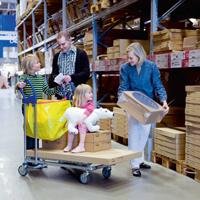
IKEA has to acknowledge its weaknesses in order to improve and manage them. This can play a key role in helping it to set objectives and develop new strategies. IKEA’s weaknesses may include:
- The size and scale of its global business. This could make it hard to control standards and quality. Some countries where IKEA products are made do not implement legislation to control working conditions. This could represent a weak link in IKEA’s supply chain, affecting consumer views of IKEA’s products. The IWAY code is backed up by training and inspectors visiting factories to make sure that suppliers meet their requirements.
- The need for low cost products. This needs to be balanced against producing good quality. IKEA also needs to differentiate itself and its products from competitors. IKEA believes there is no compromise between offering good quality products and low prices.
- IKEA needs to keep good communication with its consumers and other stakeholders about its environmental activities. The scale of the business makes this a difficult task. IKEA produces publications in print and online (for example ‘People and the Environment’) and carries out major TV and radio campaigns to enable the business to communicate with different target audiences.
Threats
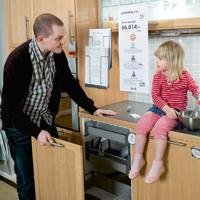
If a company is aware of possible external threats, it can plan to counteract them. By generating new ideas, IKEA can use a particular strength to defend against threats in the market. Threats to IKEA may stem from:
- Social trends such as the slowdown in first time buyers entering the housing market. This is a core market segment for IKEA products
- market forces more competitors entering the low price household and furnishings markets. IKEA needs to reinforce its unique qualities to compete with these
- economic factors the recession slows down consumer spending and disposable income reduces.
IKEA addresses these issues in many ways. It manages weaknesses and threats to create a positive outcome.
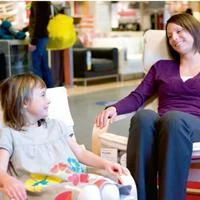
Social trends: IKEA is building online help to guide customers to a more sustainable life. Here it can focus on home improvement in the slowing housing market. It supports customers with tips and ideas on its website to reduce their impact on the environment. This will also save them money. Staff are trained on sustainability, both on what IKEA is doing and how they can take responsibility to become sustainable for themselves.
Market forces: IKEA is large enough to enjoy economies of scale. This lowers average costs in the long run through, for example, better use of technology or employing specialized managers. Economies of scale also give a business a competitive edge if cost savings are then passed on to customers in the form of lower prices. This puts up high barriers to entry for smaller companies entering the market.
Economic factors: IKEA’s low prices create appeal amongst its customers in tough financial times. It is vital to keep prices as low as possible when the retail sector is depressed. IKEA’s pricing strategy targets consumers with limited financial resources. Its products will also appeal to those with higher budgets through good quality and design. The company must ensure that it is always recognised as having the lowest prices on the market in the future. Communication plays an important role here.
Conclusion

IKEA is a well-known global brand with hundreds of stores across the world. In order to improve performance, it must assess its external and competitive environment. This will reveal the key opportunities it can take advantage of and the threats it must deal with. IKEA responds to both internal and external issues in a proactive and dynamic manner by using its strengths and reducing its weaknesses. Through this, IKEA is able to generate the strong growth it needs to retain a strong identity in the market.
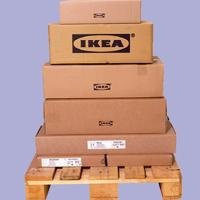
IKEA’s passion combines design, low prices, economical use of resources, and responsibility for people and the environment. The company’s products, processes and systems all demonstrate its environmental stance. For example, clever use of packaging and design means more items can fit into a crate, which means fewer delivery journeys. This in turn reduces IKEA’s carbon footprint.
IKEA believes that there is no compromise between doing good business and being a good business. It aims to go beyond profitability and reputation. IKEA is intent on becoming a leading example in developing a sustainable business. This will create a better everyday life for its customers. IKEA has discovered a business truth being sustainable and responsible is not just good for customers and the planet, it is also good for business!