
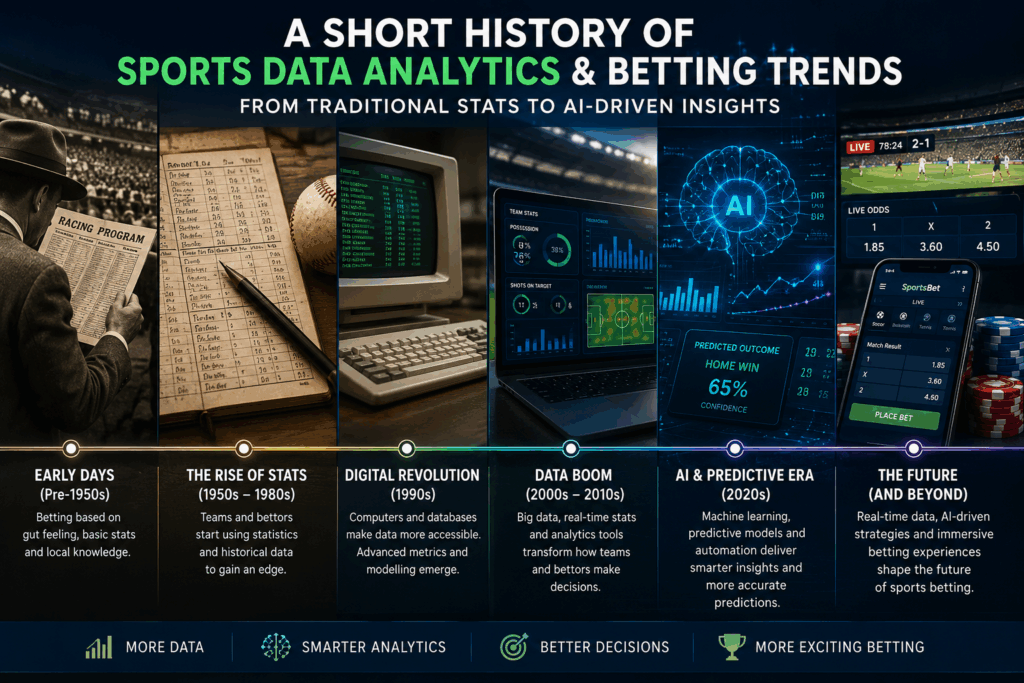
Sport today is a data-driven ecosystem where every single movement on the field is converted into digital metrics. Teams, analysts, and broadcasters no longer rely on guesswork; instead, they utilize advanced tools like خط المراهنات الرياضية في مصر and comb through complex data sets to refine game strategies and deliver a more immersive experience for the audience. This expansion involves using high-tech resources, such as live analytical platforms, to better understand team performance and accurately evaluate match dynamics.
This global shift to data-native environments is changing the way millions of fans organize their schedules, follow major tournaments, and enjoy matches. Because every game is now meticulously measured, professional leagues have successfully tapped the power of speed and truth in digital information. Broadcasters utilize these real-time streams to enrich their programs, making live sports more transparent and engaging than ever before.
effort and calculated decisions required for professional success. The analysis itself has become a fascinating spectacle that defines the structural patterns and inner logic driving a match through all its intense phases.
Monitoring & Key Performance Indicators
In professional sports, data acquisition has completely shifted from manual entry to automatic, high-frequency tracking systems. Modern teams now utilize high-end wearable sensors, advanced GPS trackers, and computer vision technology to measure player output in real-time with a level of accuracy that was previously impossible to achieve.
Those numbers are not just useful for helping a coaching staff optimize team performance or prevent injuries; they are also highly important for fans who want to track the progress of a game from a more educated, analytical perspective.
The continuous stream of sports information includes complex metrics like acceleration rates, heart rate variability, and exact defensive positioning relative to the ball. These distinct data points are instantly transmitted via localized cloud systems to centralized analytical hubs. At these hubs, raw numbers are instantly transformed into readable charts and visual graphs for the broadcast.
Instead of waiting for post-match reports, modern viewers can observe changing trends while a match unfolds. They can easily compare live physical output against historical baselines. This deep accessibility builds a direct link between physical action and technical analysis, shedding light on the hidden work rate of players that might easily escape the naked eye during a standard broadcast. Furthermore, these integrated tracking mechanisms help spectators understand the critical tactical choices made by coaching staff during intense periods of play.
The table below identifies the main groups of data used by professional bodies and media platforms to monitor and analyze live performance:
| Category of Metrics | Practical Application | Value for Analysts & Fans |
| Player Bio Data | Wearable Sensors & Biometrics | Injury Prevention & Workload Management |
| Motion Analysis | Computer Vision & Optical Tracking | Tactical Coordination & Positioning |
| Match Effectiveness | Statistical Databases & Live Feeds | Strategy Formulation & Live Trends |
| Advanced Scouting | Video Integration & Historical Records | Strategic Development & Talent Evaluation |
These integrated systems give teams the tactical power to change their game plan during a match, relying on hard data rather than just intuition. Coaches can see the game’s rhythm and the swing of momentum, allowing them to exploit the subtle technical weaknesses of the opponent before it is too late.
Betting as Part of Analytical Sports Engagement
Predictive analytics has been brought to the wider sports experience through interactive digital platforms. Wagering today has evolved into a popular weekend recreational activity and a form of intellectual entertainment, combining deep statistical analysis and team performance assessment. This modern approach invites the audience to actively engage with digital statistics, turning the passive viewing of a game into an engaging, analytical hobby.
Responsible participation keeps the experience fun and balanced, with a primary focus on enjoying the professional skills of the athletes and the tactical strategy of the game.
Thanks to mobile internet availability and fast digital solutions, there are various opportunities for sports fans to leverage digital information to improve their hobby:
- Line-up Optimization: Reading detailed reports on team efficiency to understand why specific player combinations perform better than others.
- Secondary Displays: Monitoring in-game live odds movement and real-time match data on secondary digital displays like smartphones or tablets.
- Long-term Trends: Analyzing how professional players perform over several consecutive seasons and how their tactical roles have evolved.
- Post-game Summaries: Reviewing comprehensive post-game summaries with high-tech statistical models to analyze key decisive plays.
- Smart Notifications: Creating custom alerts for favorite leagues and tournaments to ensure you never miss a key competitive milestone or roster change.
Maintaining the attitude that the game is supposed to be fun keeps this interest a positive, ongoing hobby for the general public. This data-driven approach adds an entirely new dimension to the viewing experience. Ultimately, it helps everyday fans better appreciate the incredible level of skill, intelligence, and dedication it takes to play at the highest levels of professional sports.