Why Labelling Efficiency Matters More Than Ever
In today’s fast‑moving retail, warehousing and logistics sectors, efficiency is everything. Businesses rely on clear, accurate and durable labelling to keep operations running smoothly, reduce errors and maintain professional presentation. As demand for faster fulfilment and streamlined stock management continues to grow, companies are increasingly turning to CDM Labels as their preferred labelling solution. Direct thermal labels offer a cost‑effective, reliable and high‑performance option that supports modern workflows without the need for expensive consumables or complex printing systems. Their simplicity, durability and affordability make them an essential tool for businesses looking to optimise productivity and reduce operational costs.
Understanding What Direct Thermal Labels Are
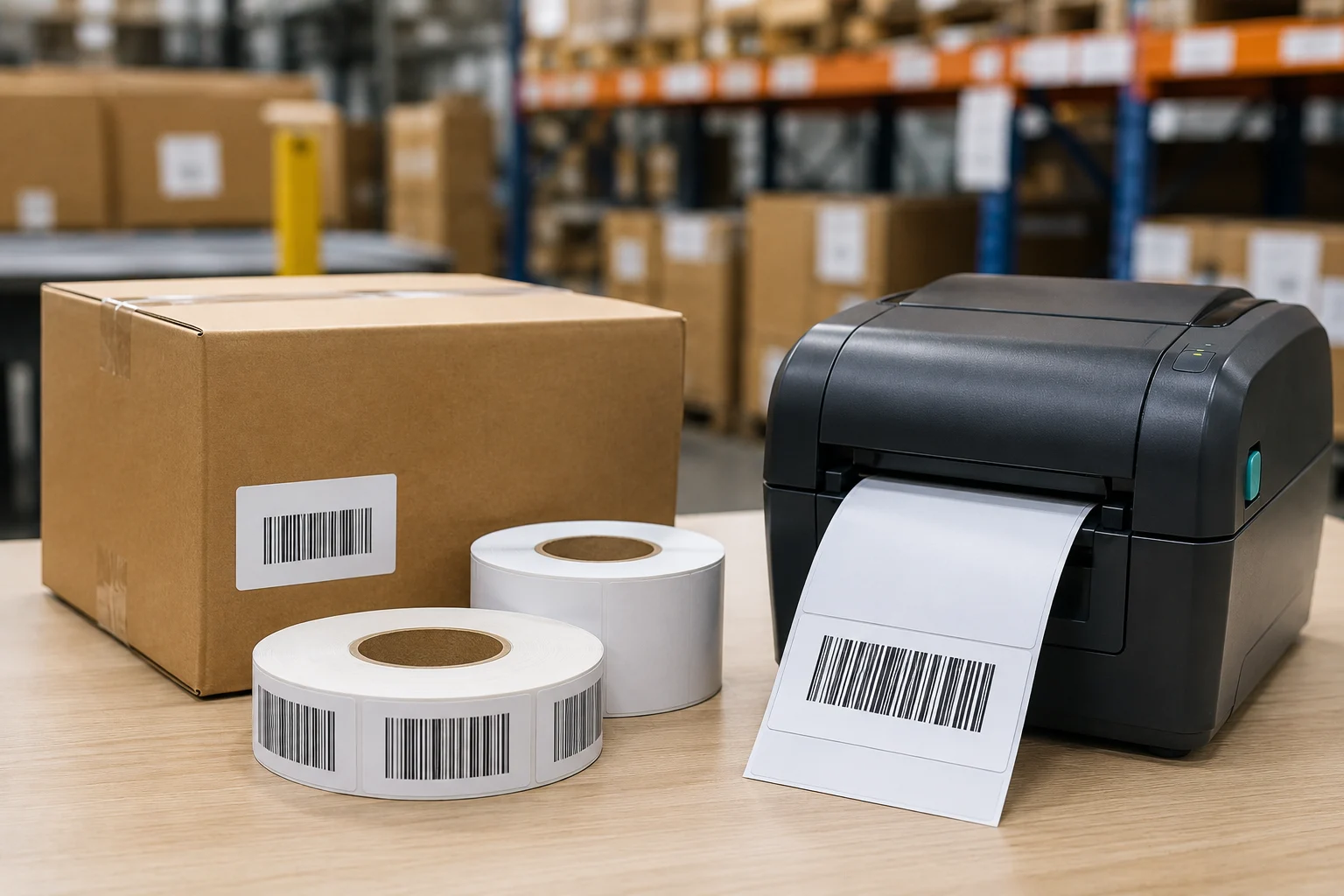
Direct thermal labels are printed using heat‑sensitive material that reacts when passed under a thermal print head. Unlike traditional labelling methods, they do not require ink, toner or ribbons, which immediately reduces ongoing costs and maintenance. This makes them ideal for high‑volume environments where speed and consistency are essential. Direct thermal labels are widely used for barcodes, shipping labels, product identification, shelf‑edge labels and warehouse tracking. Their ability to produce crisp, clear print makes them suitable for scanners and automated systems, ensuring seamless integration into modern retail and logistics operations.
Why Direct Thermal Labels Are the Most Cost‑Effective Option
Cost‑effectiveness is one of the biggest advantages of direct thermal labels. Because they do not require ink or ribbons, businesses save money on consumables and reduce downtime associated with replacing cartridges or ribbons. This is particularly beneficial for warehouses and logistics centres that print thousands of labels per day. Direct thermal labels also reduce maintenance costs, as thermal printers have fewer moving parts and require less servicing. Over time, these savings add up significantly, making direct thermal labels one of the most economical choices for businesses of all sizes. Their affordability does not compromise quality, which is why they remain the preferred option for high‑volume labelling environments.
The Importance of Speed and Efficiency in Retail Labelling
Retail environments rely heavily on fast, accurate labelling to keep shelves stocked, products organised and customer service running smoothly. Direct thermal labels support this by offering rapid print speeds and consistent results. Staff can print labels quickly without waiting for ink to dry or dealing with smudging, which is particularly important during busy trading periods. Shelf‑edge labels, price tags, promotional labels and stockroom identification all benefit from the speed and reliability of direct thermal printing. This efficiency helps retailers maintain professional presentation and reduce errors, supporting smoother operations and improved customer experience.
Why Warehouses Depend on Direct Thermal Labels for Accuracy
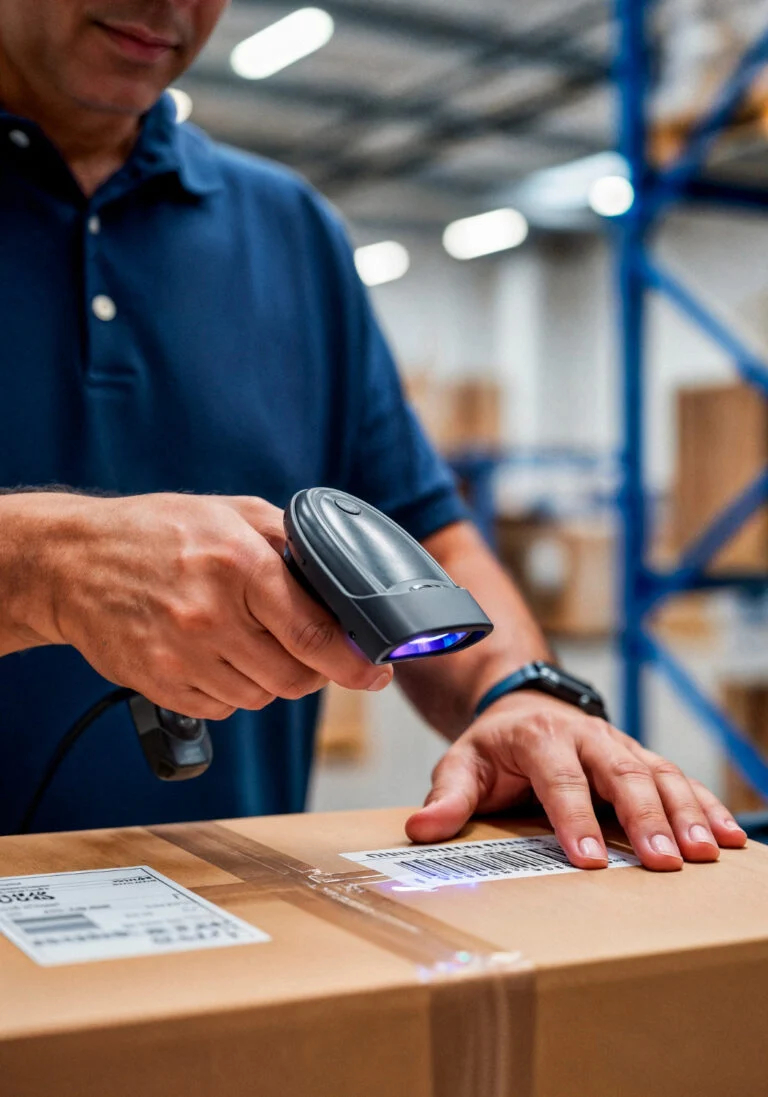
Warehouses rely on precise labelling to track inventory, manage stock rotation and support automated scanning systems. Direct thermal labels produce sharp, high‑contrast print that is easy for barcode scanners to read, reducing the risk of scanning errors and mis‑picks. In environments where speed and accuracy are essential, direct thermal labels provide a dependable solution that keeps operations running efficiently. Their durability ensures that labels remain legible even in demanding conditions, supporting long‑term stock management and traceability. Warehouses also benefit from the cost savings associated with ribbon‑free printing, making direct thermal labels a practical and economical choice for large‑scale operations.
Supporting Logistics and Shipping With Reliable Labelling
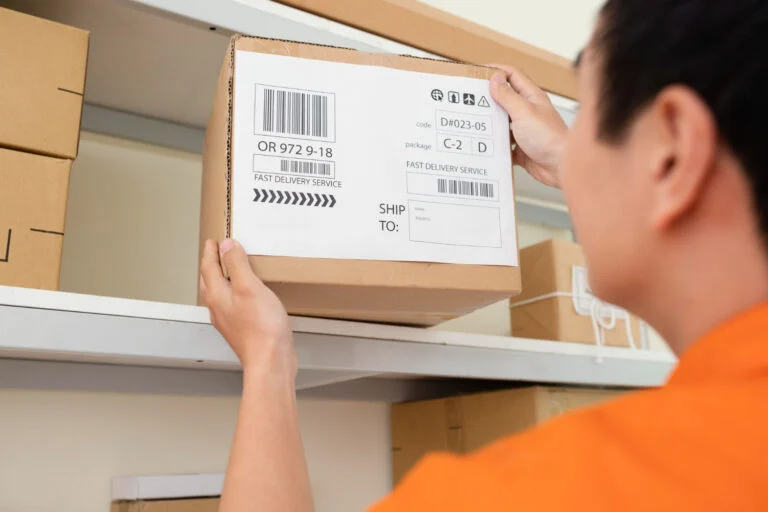
Logistics operations depend on clear, durable and accurate shipping labels to ensure parcels reach their destinations without delays. Direct thermal labels are widely used for courier labels, pallet labels, tracking codes and dispatch documentation. Their ability to produce crisp print ensures that barcodes and addresses remain readable throughout the shipping process. Direct thermal labels are also resistant to smudging and fading, which is essential for parcels that pass through multiple handling points. Their reliability helps reduce delivery errors, improve traceability and support efficient supply‑chain management.
Durability and Performance in Demanding Environments
Direct thermal labels are designed to withstand the demands of busy retail, warehouse and logistics environments. They are resistant to moisture, handling and abrasion, ensuring that print remains clear throughout the product or parcel’s journey. While they are not suitable for long‑term archival use, they are ideal for short‑to‑medium‑term applications where reliability and clarity are essential. Their durability makes them suitable for stockroom environments, packing stations, dispatch areas and shop floors. Businesses benefit from consistent performance without the need for constant reprinting or label replacement, further contributing to cost savings and operational efficiency.
Reducing Waste and Supporting Sustainable Operations
Sustainability is becoming increasingly important across all industries, and direct thermal labels offer several environmental benefits. Because they do not require ink or ribbons, they reduce waste associated with cartridges and plastic ribbon spools. Their simplicity also means fewer consumables are used overall, supporting more sustainable operations. Many businesses choose direct thermal labels as part of their wider commitment to reducing environmental impact while maintaining high‑quality labelling standards. This makes them an attractive option for companies looking to balance efficiency with sustainability.
Easy Integration With Existing Labelling Systems
Direct thermal labels integrate seamlessly with most thermal printers and labelling systems used in retail, warehousing and logistics. Their compatibility makes them easy to adopt without requiring major changes to existing workflows. Businesses can switch to direct thermal labels quickly and benefit from immediate improvements in speed, cost‑effectiveness and reliability. Their simplicity also makes them ideal for staff training, as employees can learn to use thermal printers with minimal instruction. This ease of integration supports smoother operations and reduces the risk of labelling errors caused by complex equipment or consumable changes.
Why Direct Thermal Labels Improve Operational Accuracy
Accuracy is essential in environments where products, parcels and inventory must be tracked precisely. Direct thermal labels produce high‑contrast print that is easy to scan, reducing the risk of mis‑reads and operational mistakes. This accuracy supports better stock control, improved order fulfilment and more reliable dispatch processes. In retail, accurate labelling ensures correct pricing and product identification. In warehousing, it supports efficient picking and packing. In logistics, it ensures parcels reach the correct destination. Direct thermal labels help businesses maintain high standards of accuracy across all stages of their operations.
Conclusion: The Smart, Cost‑Effective Choice for Modern Businesses
Direct thermal labels have become the cost‑effective choice for retail, warehousing and logistics because they offer unmatched efficiency, reliability and affordability. Their ribbon‑free printing method reduces ongoing costs, while their durability ensures consistent performance in demanding environments. From shelf‑edge labels and stockroom identification to shipping labels and warehouse tracking, direct thermal labels support every stage of modern operations. Their speed, clarity and compatibility make them ideal for businesses looking to streamline workflows, reduce errors and improve productivity. In 2026, direct thermal labels remain one of the most practical and economical labelling solutions available, helping businesses operate more efficiently while maintaining professional standards.