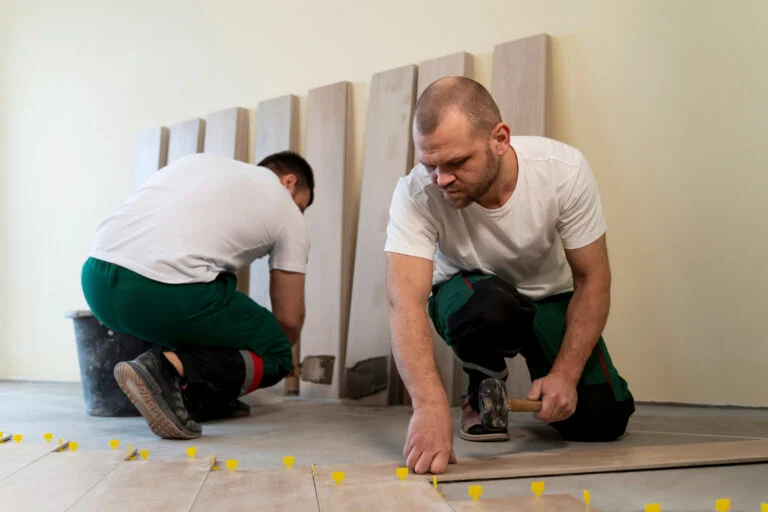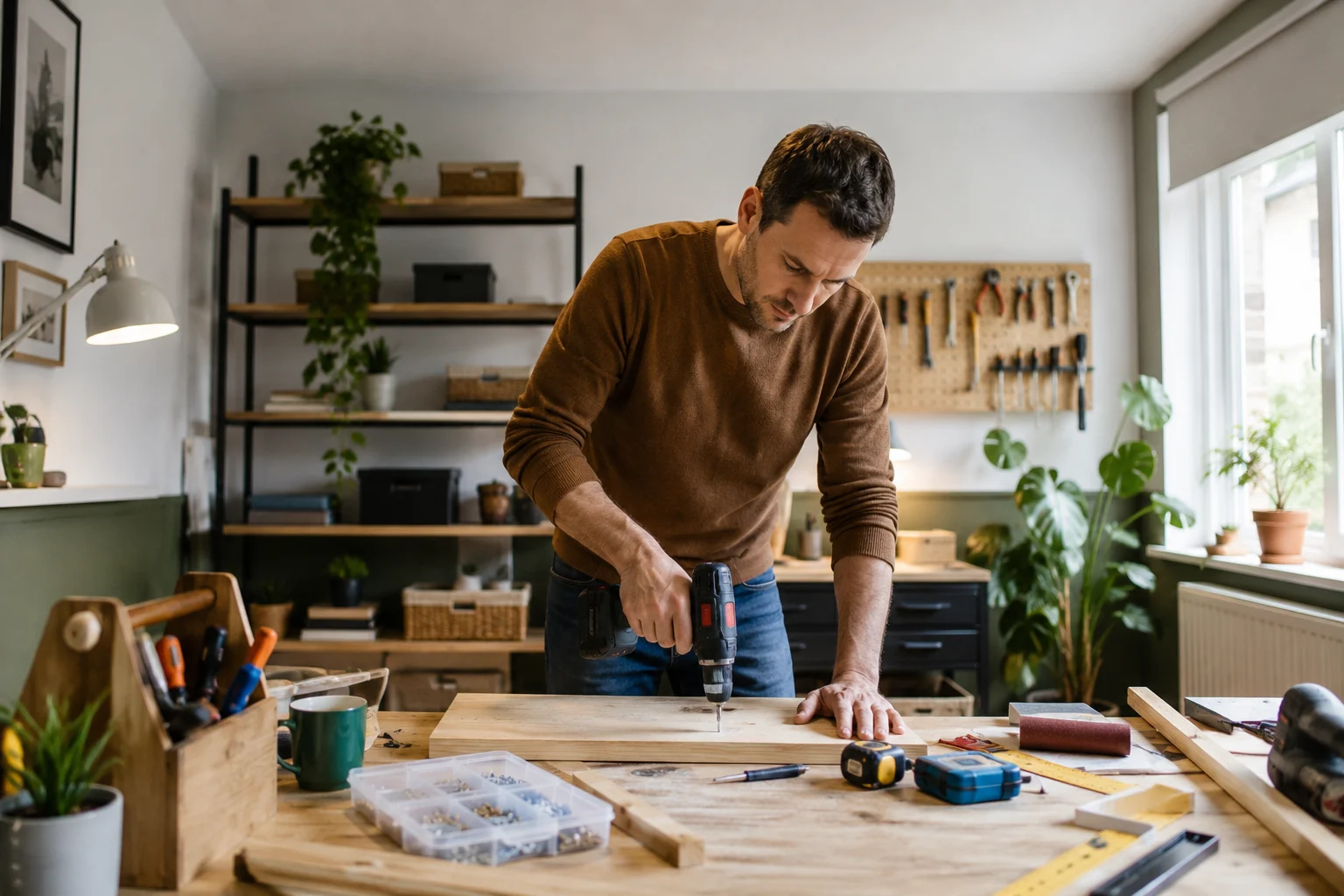
There was a time when DIY meant one rushed weekend a year, usually spent putting up a shelf that never quite sat straight. That picture has changed. Across the UK, doing things yourself has quietly moved from an occasional chore to a regular part of how people spend their free time. What used to be a one-off task is now, for a growing number of households, a genuine hobby: something people look forward to, plan around and get real satisfaction from.
A change in how we spend our free time
Recent research suggests that around eight in ten UK adults have carried out some form of home improvement work on their property, and more than two thirds took on at least one project in the past year alone. That is a striking level of participation for something once considered a last resort when a tradesperson could not be booked.
What has changed is not just how often people pick up a paintbrush or a drill, but why. Home improvement is no longer purely about fixing what is broken. For many, it has become a way to unwind, to be creative, and to feel a sense of achievement that can be harder to find in a typical working week.
Why occasional projects are turning into regular habits
A few things seem to be feeding this steady rise. Cost is a big one. Household budgets are under more pressure than they used to be, and many people have realised that learning to do a job themselves, whether that is tiling a splashback or building a raised garden bed, can save a considerable amount compared with paying someone else. Saving money remains the single biggest reason people give for taking on projects themselves.
There is also a growing appetite for personalisation. Ready-made furniture and generic interiors do not appeal to everyone, and DIY offers a way to create something that actually reflects personal taste. Add to that the fact that more people are staying in their homes for longer rather than moving, and it makes sense that improving what you already have has become more appealing than starting again somewhere new.
The influence of online inspiration
Social media has played a significant part in normalising DIY as a lifestyle choice rather than a chore. Short videos showing before and after transformations, step-by-step tutorials and clever storage hacks have made home improvement feel accessible, even for people who have never picked up a tool before. Younger adults in particular are drawn to this kind of content, using it for ideas and reassurance that a project is achievable.
It is worth saying that online inspiration works best alongside a bit of realism. Many tradespeople note that some content online can make jobs look quicker and simpler than they are in practice. That is not a reason to avoid trying something new, but it is a good reminder to plan properly, take your time and know when a project genuinely needs professional help.
More than a money saver: the wellbeing side of DIY
While saving money is often the starting point, plenty of people find they keep going for reasons that have little to do with pounds and pence. There is something quietly satisfying about working with your hands, focusing on a single task and seeing a clear, physical result at the end of it. In a world where so much of daily life happens on screens, that tangible sense of progress can be genuinely good for wellbeing.
Many people describe DIY as a form of relaxation, a way of switching off from work and other pressures for an hour or two. Making time for something hands on like this fits into a wider point about maintaining a healthy balance between work and personal life, where regular time for hobbies and personal interests plays a real part in overall wellbeing.
Building a space that supports the habit
As DIY moves from an occasional task to a regular hobby, the way people set up their homes tends to change too. A drawer of mismatched tools quickly becomes frustrating once projects happen more often, so many enthusiasts start thinking more seriously about how their tools and materials are kept. Good tool storage makes a real difference here. Being able to find the right tool quickly, keep it in working order and know exactly where everything lives turns DIY from an occasional scramble into something far more enjoyable and efficient.
This is often the point where a hobby starts to feel like a proper habit. Once a garage, shed or spare room is set up with a bit of order, projects become easier to start and easier to finish, which in turn makes people more likely to take on the next one.
Where this trend seems to be heading
Given how many people already take part, and how many reasons they have for continuing, it looks unlikely that DIY will fade back into being an occasional necessity. If anything, as more households look for ways to manage costs, express their own style and spend time away from screens, hands-on projects are likely to become an even more established part of everyday life.
For anyone who has enjoyed a project or two and is wondering whether to make more time for it, the answer, based on how many others are already doing exactly that, is a fairly clear yes. What starts as a single afternoon spent fixing something can, quite naturally, turn into a lasting and rewarding habit.