Most businesses that look into solar, battery storage, heat pumps or EV charging start from the same place: a rating they are currently falling short of, or a compliance deadline like the EPC B target now sitting on the horizon for larger commercial buildings.
It’s understandable why this happens. After all, few businesses can just remodel their entire operational structure on a whim.
But the idea that renewable upgrades are tools for meeting the next milestone in the UK’s green renovation overlooks the part that actually matters day to day. How do we ensure continuity as we enter a new era of energy supply and climate hurdles?
During the summer heatwave this year, the National Energy System Operator issued an Electricity Margin Notice forecasting a shortfall of around 1.2 gigawatts during that evening’s peak demand, and asked generators for extra capacity to cover it. It followed similar notices only weeks apart.
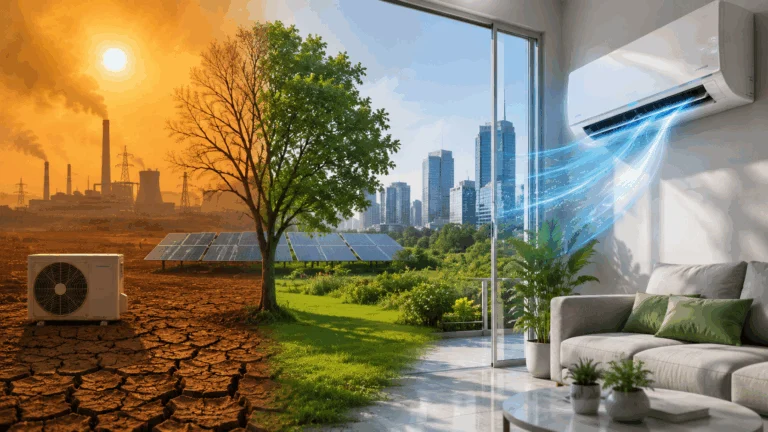
None of that tipped into an actual blackout, but it’s a reminder that grid tightness isn’t only a winter story about cold snaps and gas shortages. Heatwaves strain it too, usually in the evening, just as people are returning home for the day and demand for cooling climbs.
Meeting an EPC target or filing an emissions report is about the building on paper, as it appears to compliance officers, but what happens during an actual margin event? Whether a production line keeps running, whether a cold store stays cold, whether the servers stay up, or whether the till system and the security gates stay powered, is a separate question entirely, and it’s one that a rating certificate has nothing to say about.
Renewable Energies and Operational Resilience
Solar panels paired with commercial battery storage reduce a site’s dependence on drawing everything from the grid at the exact moment everyone else is drawing from it too. With the right design, that battery can also keep specific circuits running regardless of the issues faced by the national grid, rather than switching off with everything else, which is a different outcome to simply lowering a bill.
Of course, for a large location with huge energy demands, a standard solar install without the right backup configuration won’t do it on its own. Getting that distinction right at the design stage is the difference between a system that helps on a bad afternoon and one that just looks good to eco-conscious clients arriving on-site.
A fully accredited specialist like GSM Ltd will work through that distinction with commercial clients before anything gets specified, because a system built purely to satisfy a compliance target and one built to keep specific parts of a site running through an outage aren’t automatically the same design, even if they share most of the same components.
Regulatory deadlines have a habit of moving. The EPC B target for large commercial buildings has already been through one significant revision this year alone. An electricity margin getting tight during major weather events doesn’t wait for legislation to catch up, and the resilience a properly specified system provides against that doesn’t disappear just because a compliance date on a government website does.