
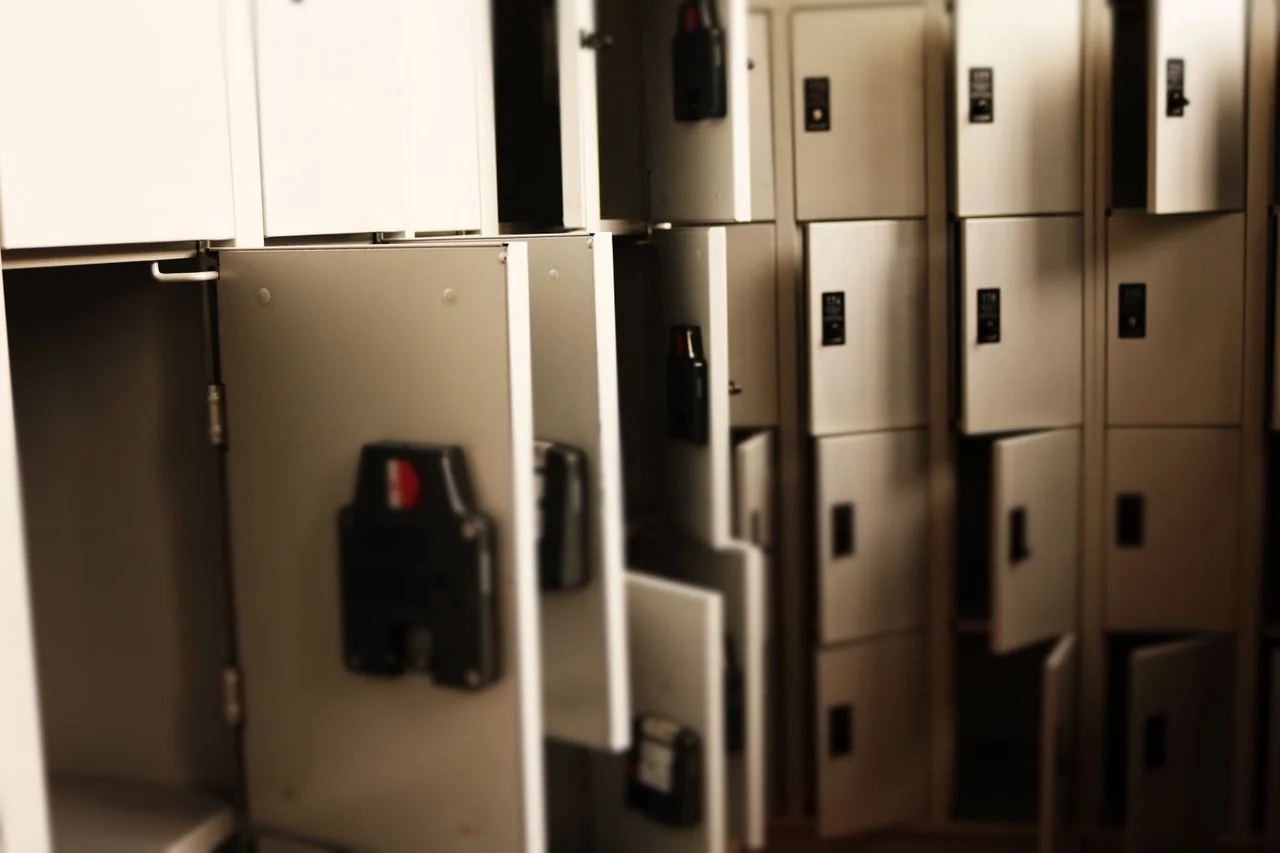
Choosing school lockers may seem like a straightforward purchasing decision, but the right lockers can make a meaningful difference to your institution’s organization, safety, appearance, and daily operations.
With students carrying books, laptops, sports equipment, uniforms, and personal belongings, a well-planned locker system provides secure storage while helping keep classrooms and hallways organized. Before making a purchase, consider the following factors to find lockers that meet the needs of your students, staff, and facilities.
Assess Your Available Space
Start by evaluating where the lockers will be installed. Measure the available wall space, ceiling height, hallway width, and surrounding areas carefully. A locker configuration that looks suitable on paper may create congestion if it occupies too much floor space.
Consider how students will move around the lockers during busy periods. Lockers should be accessible without blocking classroom entrances, emergency routes, stairways, or other important areas. The size and layout of your facility will also influence whether you need traditional full-height lockers, smaller compartments, or multiple-tier configurations.
Consider the Age of Your Students
Students at different educational levels have different storage requirements. Elementary school children may benefit from smaller lockers that are easy to reach, while older students may need taller compartments for larger books, backpacks, jackets, and athletic equipment.
Accessibility is equally important. Make sure lockers are positioned at practical heights and that students can comfortably open and use them. Institutions serving students with mobility requirements should also consider accessible locker placements as part of the overall design.
Choose the Right Material
The material you choose affects durability, maintenance, appearance, and long-term value. Metal lockers are a common choice for schools because they can withstand frequent daily use and are available in various configurations.
Plastic lockers can be useful in environments where moisture resistance is important, while wood lockers may be preferred when the institution wants a warmer or more refined appearance.
Your choice should reflect the environment in which the lockers will be installed. For example, areas exposed to humidity or frequent cleaning may require materials or finishes that can better withstand those conditions.
Prioritize Durability
School lockers experience considerably more wear than residential storage. Doors are opened and closed repeatedly, students may place heavy items inside, and lockers can be exposed to accidental impacts.
Look for sturdy construction, reliable hinges, durable finishes, and replacement parts that can be obtained when necessary. Investing in durable lockers can reduce repair and replacement costs over time. A low purchase price is not always the most economical option if the lockers require frequent repairs or need to be replaced after only a few years.
Decide on the Locking System
Security should be another major consideration. Traditional combination locks and key-operated locks remain popular, but institutions can also consider electronic locking systems depending on their requirements and budget.
Think about how locks will be managed when students forget combinations, lose keys, or leave the institution. A simple system may be preferable if staff need to manage hundreds or thousands of lockers.
For institutions with specific technology or device-storage requirements, specialized options are also available. SchoolLockers, for example, offers school, laptop, cell phone, and other specialty locker categories.
Match Capacity to Student Needs
Avoid assuming that every student requires the same amount of storage. Think about what students typically carry throughout the school day. If students primarily need space for books and personal items, standard compartments may be sufficient. If they regularly carry sports equipment, musical instruments, winter clothing, or technology, larger storage solutions may be more appropriate.
It can also be useful to separate locker requirements by area. A school may need conventional student lockers in hallways but specialized storage for laptops, mobile phones, sports equipment, or staff belongings.
Consider Maintenance and Cleaning
School facilities require products that are easy to maintain. Look for surfaces that can be cleaned efficiently and finishes that will continue to look presentable despite regular use. Ventilation can also be valuable, particularly where students store damp clothing, athletic gear, or uniforms. Easy access to replacement components can make routine maintenance simpler and extend the useful life of the locker system.
Endnote
The right school lockers should balance space, security, durability, accessibility, maintenance, appearance, and cost. By evaluating how your students use storage and how your facility operates, you can select a locker system that serves your institution effectively for years to come.


