
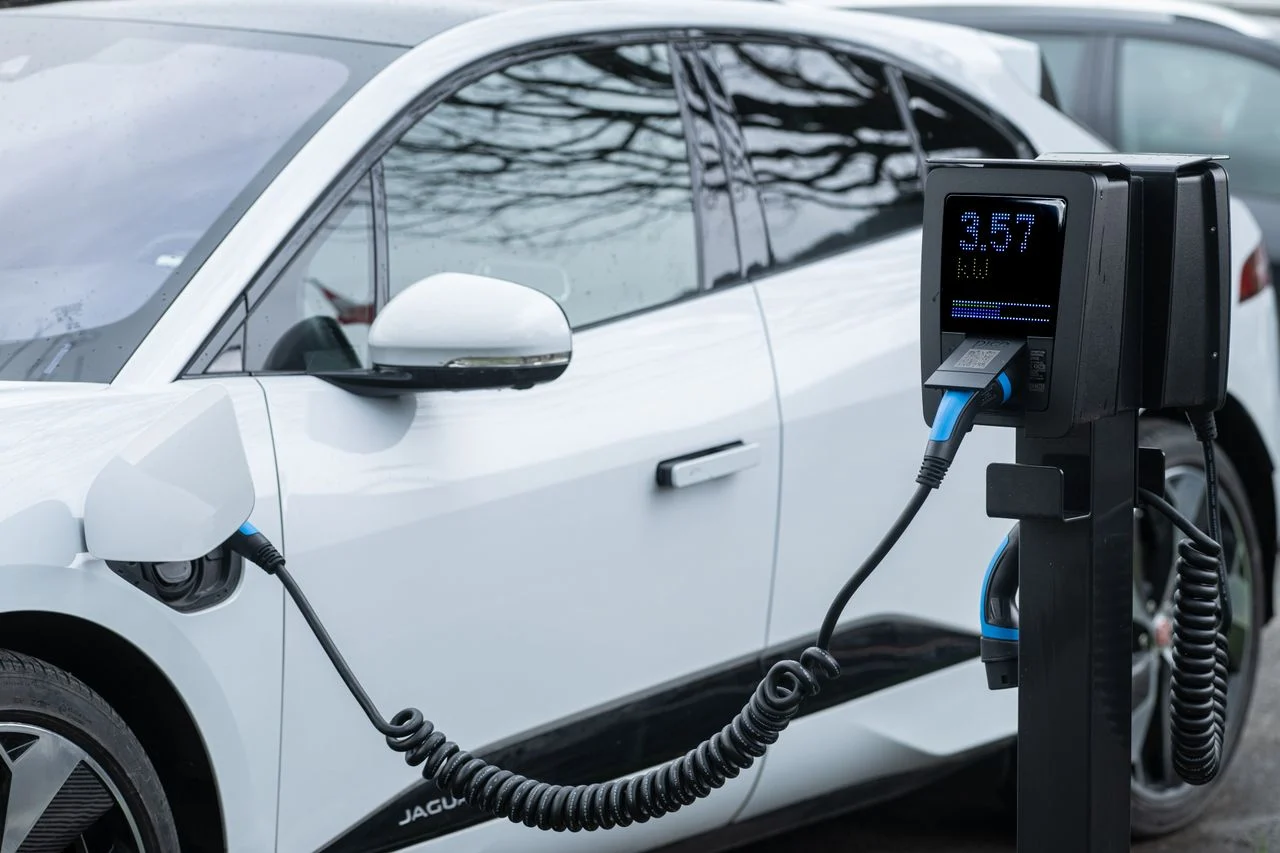
The electric vehicle (EV) market is no longer a niche market. It has become a powerful force reshaping consumer behaviour, financial products, infrastructure, and long-term business strategy.
For anyone studying or working in business, the shift towards EVs offers a valuable case study in how markets evolve when technology, government policy, and changing consumer expectations align. Understanding this transition is about more than watching a new type of vehicle gain popularity; it’s about seeing how entire industries adapt, respond to disruption, and create new opportunities as consumer priorities change.
Why affordability remains a key barrier
Despite strong growth in EV adoption, affordability remains a barrier to uptake across many consumer groups. While electric vehicles often deliver lower running costs and reduced maintenance expenses over time, their upfront purchase price is typically higher than that of a comparable conventional vehicle.
This creates a gap between consumer interest and purchasing decisions. Surveys consistently show strong enthusiasm for EVs, yet actual sales in many markets remain below the level of demand consumers express. Much of this difference can be explained by the higher initial purchase cost, which disproportionately affects middle-income households and small business owners with limited cash flow.
For lenders and financial institutions, this presents both a challenge and an opportunity. Financing products increasingly need to reflect the total cost of ownership rather than focusing solely on the purchase price. An EV car loan with competitive interest rates or flexible repayment options can help reduce the impact of higher upfront costs while making cleaner transport more financially accessible.
Research into vehicle financing supports this approach. One study examining more than 1.8 million German auto loans found that improved access to credit can significantly increase EV adoption, particularly among buyers who might otherwise choose conventional petrol vehicles because financing options are limited.
EV adoption as a market shift, not just a transport trend
Electric vehicles represent far more than a new way to travel. They reflect a broader transformation in how energy, finance, manufacturing, technology, and urban planning increasingly intersect.
According to BloombergNEF’s Electric Vehicle Outlook, EVs are expected to account for more than half of global new vehicle sales by 2035. That projection carries significant implications for manufacturers, lenders, insurers, infrastructure providers, energy companies, and governments worldwide.
Countries across Europe, North America, Asia, and other regions are introducing policies designed to accelerate EV adoption. These include emissions targets, fuel-efficiency standards, investment in charging infrastructure, purchase incentives, and support for domestic manufacturing.
While the specific policies differ from one country to another, they all send the same message: transportation is moving towards electrification, and businesses that prepare early are better positioned to benefit from that transition.
For organisations, understanding these signals enables smarter long-term investment decisions rather than reacting once market changes are underway.
How infrastructure and consumer confidence develop together
One of the biggest lessons from the EV transition is that consumer behaviour rarely changes in isolation. Adoption depends on the ecosystem surrounding the product, and charging infrastructure plays a central role.
For many years, range anxiety, or the concern about running out of battery before reaching a charging station, discouraged many potential buyers. As public charging networks continue expanding across highways, shopping centres, workplaces, and residential areas, that concern is gradually diminishing.
At the same time, advances in battery technology have increased driving range, reduced charging times, and improved overall vehicle performance. Together, these developments have made electric vehicles a far more practical option for everyday use.
For businesses, the lesson extends well beyond the automotive industry. Consumers rarely adopt new technology solely on the basis of novelty. They embrace innovation when supporting infrastructure, reliable information, and reduced risk make adoption feel practical.
Businesses entering emerging markets should think beyond the product itself and consider the broader ecosystem that enables customers to make the switch with confidence.
The role of finance, incentives, and product innovation
Financial institutions increasingly recognise electric vehicles as a distinct lending category. Around the world, green vehicle loans, specialised leasing programmes, government incentives, and manufacturer-backed financing are helping reduce barriers to adoption.
Many governments also encourage businesses to electrify their fleets through tax incentives, grants, or other policy measures. Fleet purchasing decisions have a significant influence on the wider market because commercial vehicles are often replaced more frequently than privately owned cars.
As these vehicles enter the second-hand market, they make EV ownership more affordable for a broader range of consumers while increasing confidence in the technology.
For business students, this demonstrates that financial innovation is not simply a supporting function. It can become an important piece of market infrastructure that accelerates adoption alongside technological progress and government policy.
What businesses can learn from the EV transition
The rise of electric vehicles offers several strategic lessons that extend far beyond the automotive industry.
- First, consumer behaviour changes more quickly when affordability and supporting infrastructure improve together. Lower prices alone are rarely enough if customers still perceive significant practical barriers.
- Second, government policy often provides valuable signals about where markets are heading. Businesses that monitor regulatory developments can make better long-term investment decisions and position themselves ahead of competitors.
- Third, financial products can be a genuine source of competitive advantage. Well-designed lending and leasing solutions do more than support sales. They make emerging technologies accessible to new customer segments and accelerate overall market adoption.
- Finally, sustainability increasingly functions as a core business strategy rather than simply a compliance obligation. Organisations that successfully integrate commercial objectives with environmental goals are often better positioned to attract investment, strengthen customer relationships, and build long-term resilience.
The EV transition demonstrates that sustainability and profitability are not competing priorities. When supported by innovation, infrastructure, and thoughtful financial products, they can reinforce one another and create entirely new opportunities for growth.
Driving beyond the product
The rapid growth of electric vehicles shows that successful market transitions depend on far more than technological innovation. Consumer finance, public infrastructure, supportive policy, and changing customer expectations all work together to shape adoption.
For businesses, the broader lesson is clear. Lasting competitive advantage comes from understanding the entire ecosystem surrounding a product rather than focusing solely on the product. Organisations that recognise how these forces interact will be better equipped to navigate future disruptions, identify emerging opportunities, and build strategies that remain relevant as markets continue to evolve


