 Developing an effective organisational structure (MP3)
  Intellectual Property Office A3 ePoster Edition 13 "Intellectual property rights and entrepreneurship"
 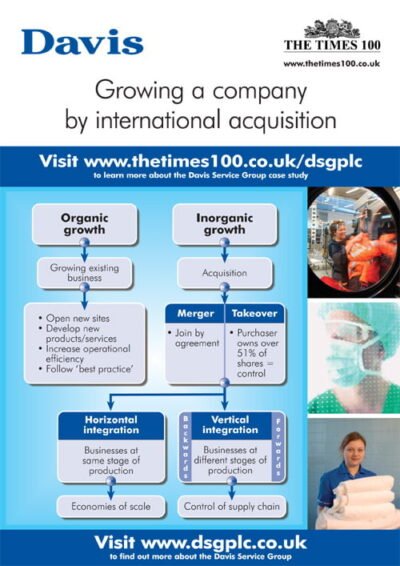 Davis Service Group A3 ePoster Edition 13 "Growing a company by international acquisition"
  Corporate Citizenship and the community (PDF)
  Financial management in a retail setting (PDF)
 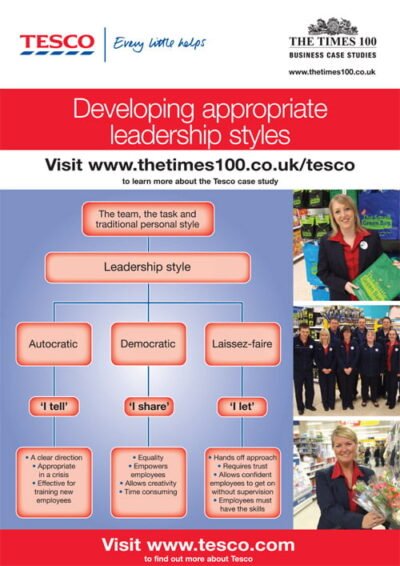 Tesco A3 ePoster Edition 16 "Developing appropriate leadership styles"
 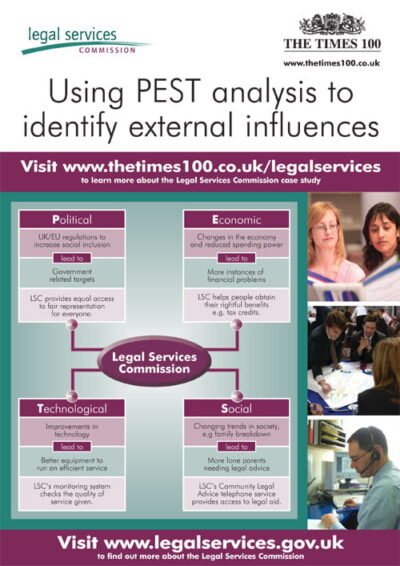 Legal Services Commission A3 ePoster Edition 13 "Using PEST analysis to identify external influences"
 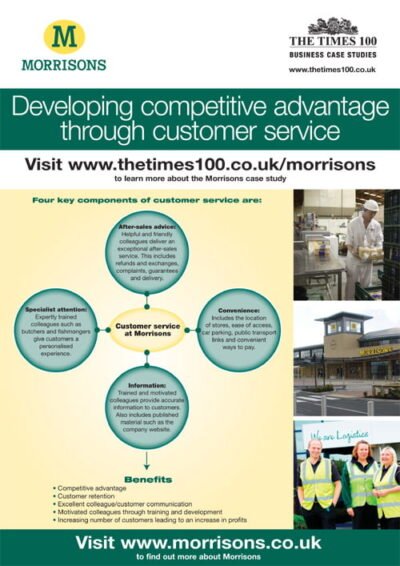 Morrisons A3 ePoster Edition 16 "Developing competitive advantage through customer service"
 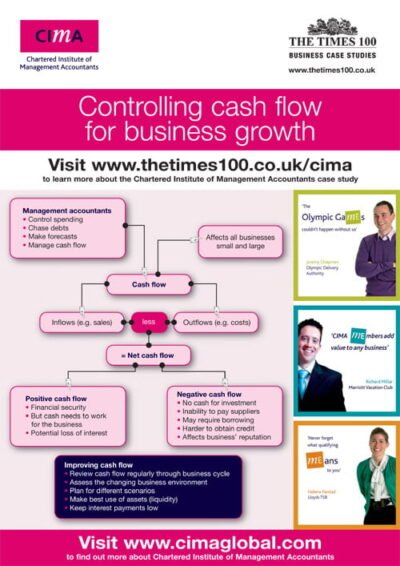 CIMA A3 ePoster Edition 15 "Controlling cash flow for business growth"
 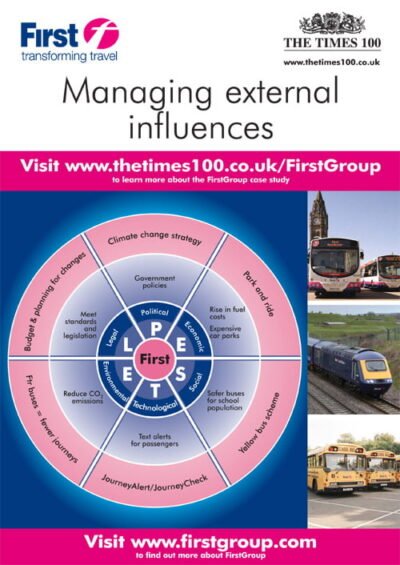 First Group A3 ePoster Edition 13 "Managing external influences"
 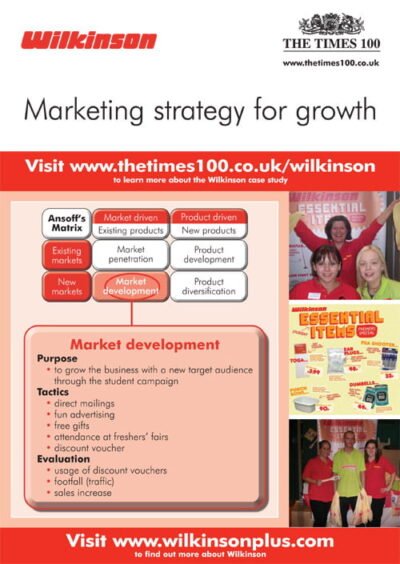 Wilkinson A3 ePoster Edition 13 "Marketing strategy for growth"
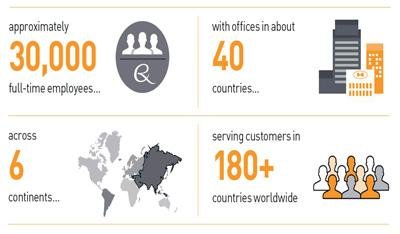
RELX Group is a global provider of information and analytics for professional and business customers across industries. We help scientists make new discoveries, lawyers win cases, doctors save lives and insurance companies offer customers lower prices. We save taxpayers and consumers money by preventing fraud and help executives forge commercial relationships with their clients. RELX Group employs approximately 30,000 employees in offices in about 40 countries worldwide.
Our history
RELX Group was formed in 1993 when the businesses of the British publisher Reed International and the Dutch publisher Elsevier NV merged. The Reeds were Methodists and took a philanthropic approach to the business when they originally founded it in 1895, meaning they applied the present-day idea of Corporate Responsibility (CR) within the company. They promoted health and safety for their workers and better standards of living. We continue to prioritise CR in order to maximise our positive impact, while minimising any negative consequences of conducting business. This focus adds to our competitive advantage by building good relations with internal and external stakeholders. This case study explains how CR adds value to these stakeholder relationships.
Internal stakeholders

RELX Group’s internal stakeholders include investors or shareholders and employees. They have a range of interests in the different parts of the company and its activities.
Investors
Investors take a financial stake in the company by purchasing shares. They look for the best return on their investment in the form of a share of the profits. CR strategies make the business attractive to investors and improves its share value. Regular engagement helps investors understand CR issues affecting the business and how they can be addressed. Throughout the year we complete investor surveys on our CR activities and receive recognition for the way we conduct our business.
Employees
At RELX Group, we want to attract, retain and develop the best people. To do this we must create a fair, challenging, rewarding and supportive work environment where they can achieve their potential.
We give our employees the opportunity to influence corporate responsibility by involving them in CR-related networks including among others: the Accessibility Working group; CR as a Sales Tool Working Group; Diversity and Inclusion Advisory Group and Working Group; Editorial Policy Working Group; Environmental Champions Network; and Rule of Law Working Group.
We are committed to building a workforce that reflects the diversity of our customers and communities. As part of this commitment, our CEO Erik Engstrom signed the Women’s Empowerment Principles, a joint initiative of UN Global Compact and UN Women, which provides guidance to business on promoting gender equality and how to empower women in the workplace, marketplace and community. Another way we promote inclusion is through Employee Resource Groups (ERGs), which allow diversity to be expressed in meaningful ways. They are independent, voluntary networks of employees who share common interests. The groups help drive diversity initiatives, community involvement and promote career development through mentoring, workshops, leadership speakers and external networking. For example, the Elsevier Women’s Network, which has over 550 members in 12 active chapters, held events covering team development and emotional intelligence, innovation, gender-balanced leadership, work-life balance, and managing stress and complexity. They also held networking workshops and engaged in community outreach.
External stakeholders
External stakeholders are those individuals or groups outside a business. RELX Group differentiates itself from competitors by highlighting its CR performance to external stakeholders.
Customers
The growth and future of our company relies on our ability to deliver sustainable, essential information and services to customers and their willingness to accept the value placed on them. Applying a CR focus to our customers gives us a competitive advantage and enhances our reputation.
Over the years, we have been increasing the online products and services we provide to our customers. In 2015, this accounted for 70% of our revenue. By providing online tools and content we increase our customer’s productivity and achieve closer partnerships. We conduct widespread surveys of our customers which highlight potential improvements to our products and services. In this way, customers have a real role in helping the business to develop and grow, resulting in longer-term relationships where customers feel they have an input into the services offered. It builds loyalty and creates the potential for increased business.
Maintaining the integrity of what we publish is vital to the confidence of our customers. To this end, the Editorial Policy sets the standard for how we generate and commission content, covering magazine and journal articles, books, online only content, social media, insight from big data, conference materials, and marketing. We have also developed an Editorial Policy for our suppliers who provide content. Furthermore, the RELX Group Quality First Principles were launched to ensure that our content and data meet our customers’ quality expectations. In 2015, these principles lay the foundations for 23 risk assessments on quality in preparation of quality audits that will take place throughout 2016.
We ensure that we create products that are usable by everyone including people who may experience some type of disability. We have formalised this commitment in the RELX Group Accessibility Policy.
We help our customer-facing employees through a series of CR as a Sales Tool webinars. In addition we have developed a fast facts document for sales staff to improve understanding of CR issues among our customers.
Suppliers
The supply chain is a potential risk for the business. We must ensure our suppliers meet the same ethical standards we set for our corporate behaviour to prevent negative impacts on our reputation and on our ability to serve customers. Suppliers must adhere to all laws, embody and promote best practice in business operations, treat employees well and respect the environment, as indicated in the 10 principles of the UN Global Compact (UNGC) to which we are a signatory. Given the importance to us of an ethical supply chain, we have developed a Socially Responsible Supplier (SRS) programme encompassing all RELX Group businesses, supported by a working group comprised of colleagues with operations, distribution, and procurement expertise, and a dedicated SRS Director from the Global Procurement team.
Government
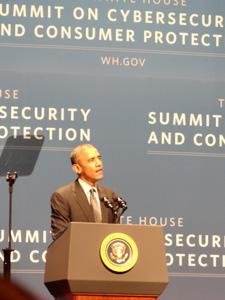
Governments set the external environment in which we operate, not least through laws, regulation and advice. Engagement allows us to follow important developments and share our company perspective. For example, data privacy and security is important to our customers and the future of our business. At the same time, governments are exploring ways they can protect their citizens’ privacy. In February 2015, CEO Mark Kelsey was invited to the White House Summit in cybersecurity and consumer protection hosted by US President Barack Obama to explore partnerships that would bolster security.
Community
RELX Group makes a difference to communities around the world through its global RE Cares programme, which is supported both centrally and in all business divisions. Our ‘license to operate’ depends on our good relations with the communities we operate in around the world. In 2015 RE Cares Champions donated more than $400,000 in central funds to 40 charities. We also raised more than $170,000 for our global fundraising partner – the International Rescue Committee – to support education for disadvantaged young people in Sierra Leone. In the year, 37% of our employees volunteered through RE Cares. According to LBG data, the average volunteering rate is approximately 35% for the media sector, and 16% for all sectors.
Society
We contribute to society by focusing on our unique contributions; in doing so, we benefit others and add value for RELX Group by building trust with internal and external stakeholders and creating new opportunities. We also positively impact the environment, principally through the information we produce which informs debate, aids decision makers and encourages research and development. We directly impact the environment through the consumption of natural resources such as energy, water and waste generation, through our direct operations, supply chain and customer use of our products and services. We are committed to reducing any negative environmental impacts, while continually improving our environmental performance.
CR Networks
RELX Group is committed to using its extensive networks and expertise to facilitate the exchange and distribution of useful information. With a growing portfolio of environmental products and services, the RELX Group Environmental Challenge was launched to leverage internal expertise in support of innovative projects that provide sustainable access to safe water and improved sanitation where it is presently at risk. In 2015, the winning project was Alternative Indigenous Development Foundation (AIDFI) a Philippines-based social enterprise that provides reliable drinking water to upland rural areas using a unique hydraulic ram pump. All registrants for the Challenge receive free access to relevant environmental products to help shape their applications. We use our networks to promote the Challenge and the work of the winners.
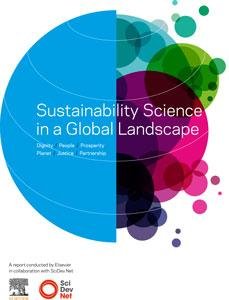
To support the launch of the UN’s Sustainable Development Goals (SDGs), we produced Sustainability Science, a first of its kind, free resource to explore the state of research underpinning the SDGs. The report highlights opportunities for greater collaboration between the global north and south, and among developing countries. It also shows areas, like justice, where research output could be increased. During the year, we also worked with the UN Global Compact (UNGC) on Business for the Rule of Law, new guidance to help companies go beyond legal minimums to strengthen the frameworks necessary for development. It was a tangible way we demonstrated our commitment to the UNGC’s 10 principles encompassing human rights, labour, the environment and anti-bribery.
Potential stakeholder conflict

It is important for a business to balance the interest of its various stakeholders. Different stakeholder groups have different priorities, for example:
- Shareholders expect the business to make a profit and receive a return on their investment
- Employees require good working conditions if they are to be retained
- Potential investors may want to see evidence of how a company responds to environmental issues before committing money to the business
- Customers expect accurate and reliable products
Stakeholder conflict arises when the needs of some stakeholder groups compromise the expectations of others. A business has to make choices which some stakeholders might not like. For example, the cheapest supplier goods, which can help keep prices down for customers, must not come at the expense of ethical practice by suppliers or product safety. Whilst the end product may be cheaper, association with an unethical supplier or low quality product risks damaging our business reputation and financial loss.
Some activities may not give immediate financial return on investment but support the business’ ethical standards. Such policies need to be communicated and explained to all stakeholders involved, so they understand the longer-term value they provide. For example, investment in ‘green’ energy (such as solar power) may be more expensive but can help the company reduce its environmental footprint. Ongoing data centre upgrade projects contributed to a decrease of 1% in energy consumption at our data centres in 2015 despite increasing online delivery of our products and services. The investment in improving data centre efficiency is helping to reduce our environmental impact
Supporting employees may also lead to trade-offs. RELX Group employees are offered development opportunities so that they can reach their potential. RELX Group has to justify this investment against the opportunity cost of using the time and resources for other purposes. It also has to assess the potential downside of not training its employees. This could include losing good people to other organisations or mistakes happening through lack of training.
The benefits of a stakeholder focus
Businesses do not work in isolation. They affect the lives of people in the global community in many ways. RELX Group believes it must be accountable to communities and give something back. Through employee volunteering its people not only make a difference to local communities around the world, they also demonstrate publicly RELX Group’s values and improve our reputation among these communities.
Customers want good quality products and services that are value for money. RELX Group listens to its customers and meets their needs with innovative ideas that create cost-effective and convenient solutions to their business challenges. For example, RELX Group’s online services provide customers with the opportunity to cross-link, cross-reference and search for information. This has helped to ensure that 70% of revenues now come from online products and services.
Conclusion
RELX Group’s CR activities focus on doing what is relevant for the business and its stakeholders, keeping all aspects of the business in balance. RELX Group pays close attention to the expectations and needs of all its stakeholders. The company believes that by living up to its responsibility to contribute positively to its employees, customers, society and the environment through its business, it has a sustainable business model leading to growth.