
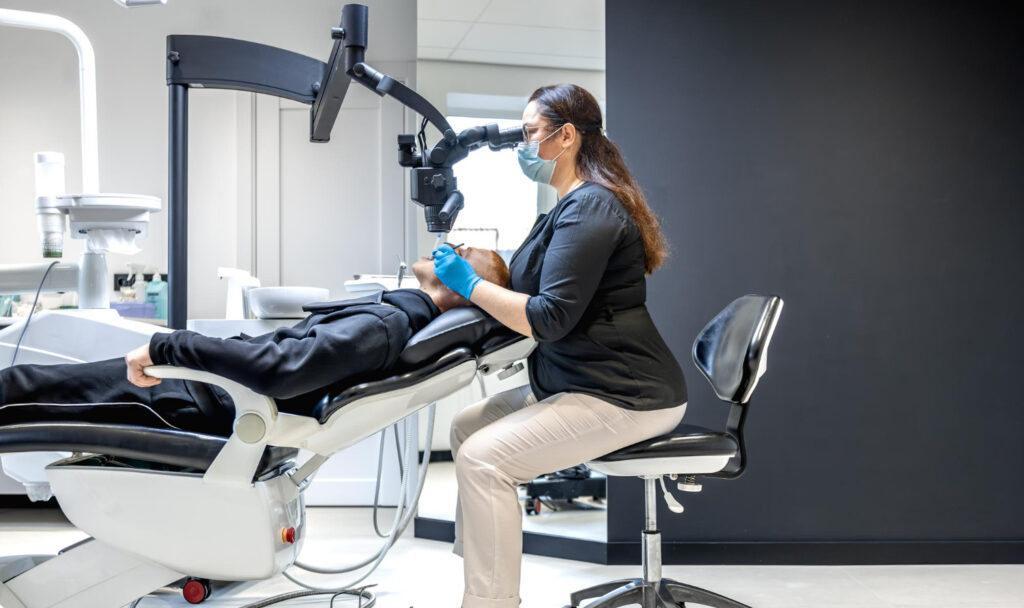
The European Union represents one of the world’s most lucrative markets for dental professionals, with an ageing population and increasing awareness of oral health driving consistent demand for dental services. For dentists considering establishing their own practice within the EU, the opportunity is undeniably attractive. However, navigating the complex regulatory landscape can prove challenging for both EU nationals and those from outside the Union. Understanding the rules and regulations that govern dental businesses is essential for anyone hoping to establish a successful practice in this highly regulated sector.
Whether you’re a newly qualified dentist with entrepreneurial ambitions or an experienced practitioner looking to expand internationally, comprehending the legal framework, professional requirements, and business obligations is paramount. This comprehensive guide examines the key regulations and considerations for starting a dental business across the European Union.
Professional Qualifications and Recognition
The foundation of establishing any dental practice in the EU begins with ensuring your professional qualifications are recognised. The EU operates under the Professional Qualifications Directive (2005/36/EC, amended by 2013/55/EU), which facilitates the recognition of professional qualifications across member states. This directive is particularly relevant for dentists, as dentistry is one of the seven professions subject to automatic recognition throughout the EU.
For dentists who qualified within an EU member state, the process is relatively straightforward. Your dental degree should be automatically recognised in any other EU country, provided it meets the minimum training requirements set out in the directive. These requirements include at least five years of full-time theoretical and practical study at a university or equivalent institution, covering specific subjects such as basic sciences, medical sciences, and dental sciences.
Dentists who qualified outside the EU face a more rigorous assessment process. Each member state has its own competent authority responsible for evaluating foreign qualifications. You may be required to demonstrate that your training is equivalent to EU standards, and in some cases, you might need to undertake additional training, pass aptitude tests, or complete an adaptation period before being permitted to practise.
It’s crucial to contact the relevant professional body in your target country well in advance of establishing your practice. Processing times can vary considerably, and you’ll need full professional recognition before you can legally treat patients or register your business.
Registration with Professional Bodies
Beyond qualification recognition, all dental practitioners in the EU must register with their country’s dental regulatory body or chamber. These organisations maintain professional standards, handle disciplinary matters, and ensure practitioners maintain their competence through continuing professional development (CPD).
Each member state has its own regulatory framework. In Germany, for instance, dentists must register with the regional Landeszahnärztekammer (State Dental Chamber), whilst in France, registration with the Ordre National des Chirurgiens-Dentistes is mandatory. Spain requires registration with the Consejo General de Dentistas, and Italy has its own professional orders at regional levels.
Registration typically requires submitting proof of qualifications, evidence of professional indemnity insurance, a clean criminal record, and sometimes proof of language proficiency. Annual fees vary by country and are usually mandatory for maintaining your licence to practise. Failure to register or maintain registration can result in severe penalties, including being prohibited from practising and potential criminal prosecution.
Business Structure and Legal Entity
Deciding on the appropriate business structure for your dental practice is a critical decision with long-term implications for taxation, liability, and operational flexibility. The EU allows various business structures, though the options and their specific characteristics vary by member state.
Common structures include sole proprietorships, partnerships, limited liability companies (LLCs), and professional corporations. In many countries, dental practices can be owned solely by registered dentists, whilst others permit non-dentist ownership under certain conditions. Some member states have recently liberalised their regulations to allow corporate ownership of dental practices, whilst others maintain strict professional-only ownership rules.
A sole proprietorship offers simplicity and full control but exposes you to unlimited personal liability. Limited liability companies provide protection for personal assets but involve more complex administrative requirements and often higher accounting costs. In countries like Germany and France, special professional company structures exist specifically for healthcare practitioners.
It’s advisable to consult with a local legal professional who specialises in healthcare business structures before making this decision, as the implications for taxation, liability, and expansion potential can be substantial.
Premises and Facility Requirements
Dental practices throughout the EU like Smile Hub in Dublin must comply with stringent regulations regarding premises and facilities. These rules exist to protect patient safety, ensure infection control, and maintain professional standards. The specific requirements are determined by national and sometimes regional authorities, creating considerable variation across member states.
Generally, dental surgeries must meet standards covering minimum space requirements, ventilation, lighting, water quality, waste disposal systems, and accessibility for disabled patients. Many countries require separate areas for clinical treatment, sterilisation, waiting rooms, and administrative functions. The layout must facilitate proper infection control procedures, with clearly defined clean and contaminated zones.
Equipment must meet EU medical device regulations, and regular safety inspections are typically mandatory. X-ray equipment requires special licensing and adherence to radiation protection regulations, which may necessitate employing a radiation protection advisor and designating trained operators.
Before committing to premises, it’s essential to verify that the location is appropriately zoned for dental practice and to obtain all necessary permits. Some jurisdictions require pre-approval of premises before you can begin fitting out your surgery, and renovations must often be inspected and certified before you can commence operations.
Health and Safety Regulations
Operating a dental practice involves numerous health and safety obligations, both for staff and patients. The EU has harmonised many aspects of health and safety regulation through various directives, though member states implement these with varying degrees of stringency.
Infection control is paramount in dental settings. You must establish and maintain rigorous protocols for sterilisation, instrument processing, surface disinfection, and waste management. Clinical waste, including sharps and amalgam, must be disposed of through licensed contractors according to specific regulations. Many countries require detailed documentation of your infection control procedures and regular staff training.
The Clinical Trials Regulation and Medical Devices Regulation establish EU-wide standards for equipment and materials used in dental treatment. You’re responsible for ensuring all products used in your practice comply with these regulations and for maintaining appropriate records.
Radiation protection regulations govern the use of x-ray equipment, requiring risk assessments, quality assurance programmes, and regular equipment testing. You must designate a radiation protection supervisor and ensure all staff who operate radiographic equipment receive appropriate training.
Data protection has become increasingly critical following the implementation of the General Data Protection Regulation (GDPR). Dental practices handle highly sensitive personal information, and you must establish robust systems for data security, patient consent, and information rights. This includes secure storage of patient records, controlled access to information, and clear policies for data retention and deletion.
Insurance and Liability
Professional indemnity insurance is mandatory for dental practitioners throughout the EU. This insurance protects against claims of professional negligence, covering legal costs and compensation payments. The required level of coverage varies by country, with some member states setting minimum amounts.
Beyond professional indemnity, dental businesses typically need several other insurance policies. Public liability insurance covers injuries or damage occurring on your premises. Employer’s liability insurance is mandatory if you employ staff. Building and contents insurance protects your physical assets, whilst business interruption insurance can provide financial protection if circumstances force temporary closure.
Some countries require dentists to contribute to professional compensation schemes or guarantee funds, which provide additional protection for patients in cases where a practitioner’s insurance proves insufficient.
Employment Law and Staff Requirements
If you plan to employ staff, you must navigate the employment laws of your host country. The EU provides certain minimum standards through directives covering working time, health and safety, and anti-discrimination, but member states often impose additional requirements.
You’ll need to understand rules regarding employment contracts, minimum wage requirements, working hours, holiday entitlement, sick pay, and termination procedures. Many countries have strict regulations about collective bargaining agreements and sector-specific wage requirements for healthcare workers.
Employing clinical staff such as dental hygienists, dental therapists, or other dentists requires ensuring they hold appropriate qualifications and professional registration. Support staff may need specific training or certification for certain tasks, particularly those involving radiation exposure or handling of hazardous materials.
Taxation and Financial Obligations
Dental practices face various taxation obligations, including corporate or personal income tax, value-added tax (VAT), payroll taxes, and social security contributions. The VAT treatment of dental services varies across the EU, with some countries exempting dental care whilst others apply reduced or standard rates to certain services.
You must establish proper accounting systems and maintain detailed financial records. Many member states require healthcare businesses to undergo annual audits, and tax returns can be complex, particularly if you operate in multiple jurisdictions.
Understanding the social security system in your host country is essential, as both employer and employee contributions can represent a significant cost. Some countries allow self-employed professionals to opt for different social security schemes, which can affect both costs and benefits.
Ongoing Compliance and Professional Development
Establishing your dental practice is merely the beginning of your compliance obligations. Ongoing requirements include maintaining professional registration, completing mandatory continuing professional development, renewing licences and permits, updating safety protocols, and participating in quality assurance programmes.
Many EU countries have introduced clinical governance requirements for dental practices, involving regular audits, patient feedback mechanisms, and outcome monitoring. You may be subject to inspections by health authorities, professional bodies, or safety regulators, and must maintain documentation demonstrating compliance with all relevant regulations.
Conclusion
Starting a dental business in the European Union offers tremendous opportunities for practitioners willing to navigate the complex regulatory environment. Whilst the rules and regulations may initially appear daunting, they ultimately serve to maintain high standards of patient care and professional practice. Success requires thorough preparation, attention to detail, and often the assistance of local experts who understand the specific requirements of your chosen jurisdiction.
The investment in proper compliance from the outset pays dividends through reduced risk, professional credibility, and the foundation for sustainable growth. By understanding and embracing the regulatory framework, you can establish a thriving dental practice that serves your community whilst building a rewarding and profitable business. The EU’s single market, once you’ve overcome the initial regulatory hurdles, offers unparalleled opportunities for professional development and business expansion across one of the world’s most prosperous regions.