


Asda is the UK’s second largest supermarket. It was founded in 1949 under the name of Associated Dairies and Farm Group but shortened this to Asda in 1965. It is a retailer focused on selling food, clothing, electronics, toys, home furnishings and general merchandise. Asda also offers a range of additional services such as ‘Asda Money’ financial services.
In 1999 Asda became a subsidiary of Walmart, the largest supermarket chain in the world. This enabled Walmart to enter the UK market but also gave Asda access to the full range of expertise of the Walmart company. Walmart currently employs over 2 million colleagues worldwide in 27 countries. In the UK, Asda is one of the largest employers with over 175,000 colleagues working across its many formats. These include a variety of roles in its Superstores, Supermarkets, Home Office, Distribution, George and Asda Living. Asda continues to expand its operations in the UK and recently acquired a number of stores from Netto to increase the number of local Asda Supermarkets.
Asda wants to be a trusted employer. Its success as a leading retailer is dependent on its trained and engaged colleagues providing excellent customer service. This case study demonstrates how Asda’s recruitment and selection processes, teamed with effective leadership and its colleague engagement strategies, are helping the company to achieve its mission.
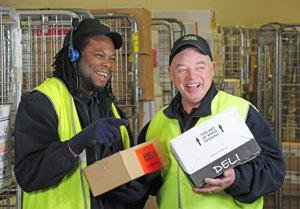
Asda’s philosophy is that if your people enjoy working with you, your customers will enjoy shopping with you. Consequently it aims for all colleagues to be passionately engaged in supporting each other in a safe family environment of trust and respect. Asda has won numerous awards that recognise its commitment to its colleagues including The Sunday Times Top 100 Best Companies to Work For, The Times Top 100 Graduate Employers and Stonewall Top 100 Employers 2012.
Organisational culture
At the heart of Asda’s success is its organisational culture which has been built over time. This defines how colleagues behave at Asda. It ranges from how colleagues treat customers and other external stakeholders to how they treat each other. Asda’s culture of trust pervades all that happens within all elements of Asda’s operations. Asda is a company with a conscience, dedicated to doing the right thing for its customers, colleagues and communities. Andy Clarke, President and CEO states:
‘Building trust with each other is the most important step to winning the absolute trust of our customers.’
Asda’s beliefs are behind every decision that every colleague within the company makes and help influence the organisation’s culture. These are:
- to provide excellent service to our customers
- to show respect for the individual
- to strive for excellence
- to act with integrity.
In 2009 Asda ran a survey to discover what its customers thought about the company. From the results of this survey, Asda created its ‘customer pledges’ outlining what customers should expect to experience from Asda. The success of these pledges led Asda to replicate this with ‘colleague pledges’. These were covered in the annual colleague survey in 2013, ‘Your Voice’, which surveyed every colleague across the business in stores, Home Offices and Distribution. The four colleague pledges demonstrate what Asda is committed to providing for its workforce. These are:
- Fairness at work.
- Opportunity for all.
- Respect for each other.
- Pride in Asda.

Asda leaders are committed to bringing these pledges to life, recognising that it is the Tiny Noticeable Things (TNT) leaders do that make the biggest impression and engage colleagues. For example, leaders should always be polite and approachable, lend a hand on the shop floor and lead social and community events with colleagues. These are live examples of the pledges. These TNTs make colleagues feel more valued, more fulfilled, more supported and more motivated to deliver the customer pledges.
An audit of management at Asda indicated the following positive behaviours:
- Fairness is brought to life by leaders who are empathetic and recognise their colleagues.
- Opportunity for all promoted by leadership that encourages colleagues and is communicative.
- Respect for each other is shown by leadership which is collaborative and listening to colleagues.
- Pride in Asda by inspirational and motivational leadership.
Awareness of these behaviours positively affects recruitment and selection by attracting the best candidates and developing the leaders of the future. These pledges strengthen the employer brand whilst creating an internal environment that promotes trust and supports career progression.
Asda is committed to employing the best candidate for all its vacancies. This means looking for applicants from the largest possible pool of talent, both internally and externally. Lead by the Executive Board, Asda’s diversity and inclusion policy ensure there is no discrimination in terms of age, gender, ethnicity, sexual orientation or disability. Working with external partners such as Remploy and Stonewall, Asda positively encourages people from different backgrounds and cultures to apply. This commitment to inclusion wholeheartedly supports Asda’s colleague’s pledges of fairness at work and opportunity for all. In addition, Asda actively promotes inclusion within communities through sponsoring Pride events across the UK such as Leeds Pride.
Human Resource Management (HRM)

HRM is one of the four key functions of any organisation, the others being finance, operations and marketing. HRM involves consideration of:
- workforce planning
- recruitment and selection
- training
- appraisal
- motivation and employee recognition.
At the heart of HRM is the need for effective workforce planning. This involves conducting audits to establish the organisation’s workforce requirements both now and in the future. This information allows the HR department to plan to ensure they recruit appropriate numbers of workers with the required skills. The diagram illustrates an overview of the main stages involved in recruitment and selection.
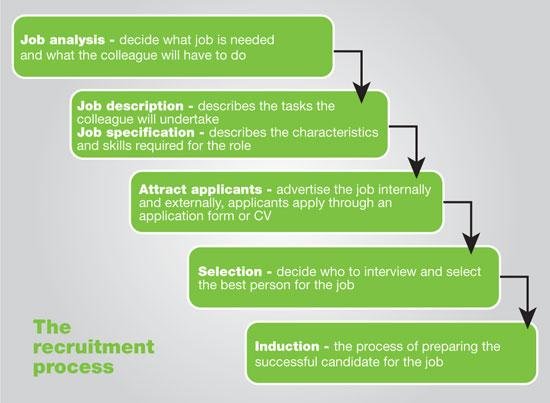
Asda is a growing company operating in highly competitive markets. The main reason for recruitment at Asda is due to the expansion of the business and colleague turnover. Colleague turnover occurs for a variety of reasons, for example, the retirement of existing colleagues and internal promotion which create gaps. As part of Asda’s HRM, it seeks to retain as many colleagues as possible and aims to fill 70% of its leadership team vacancies through internal promotion. Last year it exceeded this target with over 80% of its vacancies being filled internally. A benefit of promoting from within is that existing colleagues already share Asda’s beliefs.
Asda’s comprehensive HR strategies engage colleagues and support the organisational culture. This includes Asda’s ‘Best Welcome’ induction programme, ‘Star programme’ to recognise excellent customer service, as well as Asda Academy’s framework for training and development and its ‘Colleague Steps’ for career progression. Asda offers its colleagues a wide range of opportunities for career development. This includes supporting and investing in its colleagues to gain qualifications that will enable them to become the next generation of leaders at Asda. For example, Asda offers:
Continue learning
Finish this case study—and unlock 600+ more
You have read most of this study free. Choose full library access or buy this individual PDF.
Full case-study library
£29.00/month or £299.00/year
- Complete online access
- 600+ real-company case studies
- PDF where available
- Crossword where available
- Lesson plan where available
Individual PDF
£5.99 one-off
Secure checkout and access through My Account.
Buy this PDF


Apply the case
Learning activities
Identify
What business problem or opportunity is Asda addressing? Which stakeholders are most affected?
Analyse
Select two pieces of evidence about recruitment and selection and explain why each one matters.
Evaluate
How effective was the organisation’s response? Reach a supported judgement and identify an alternative.